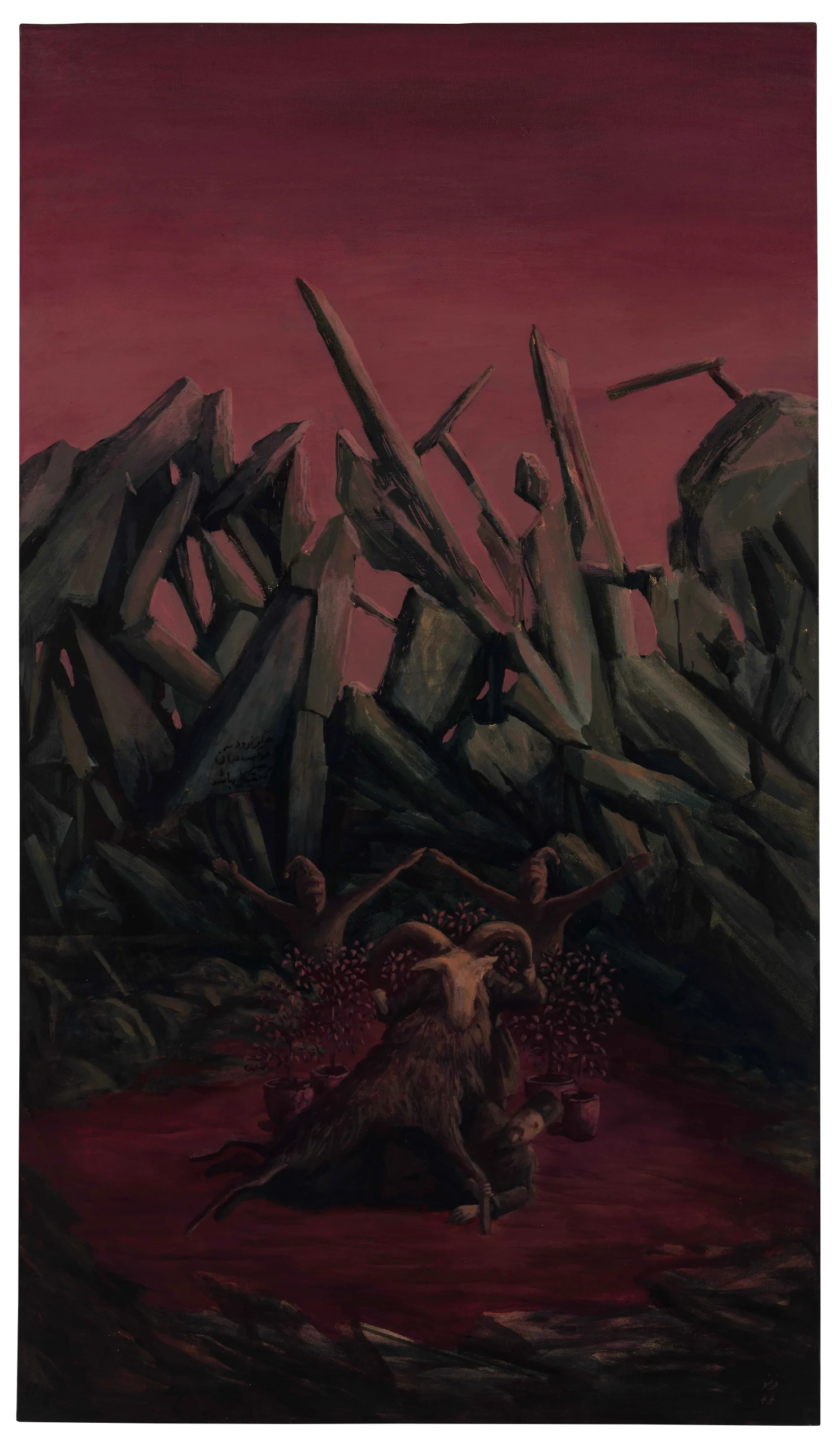
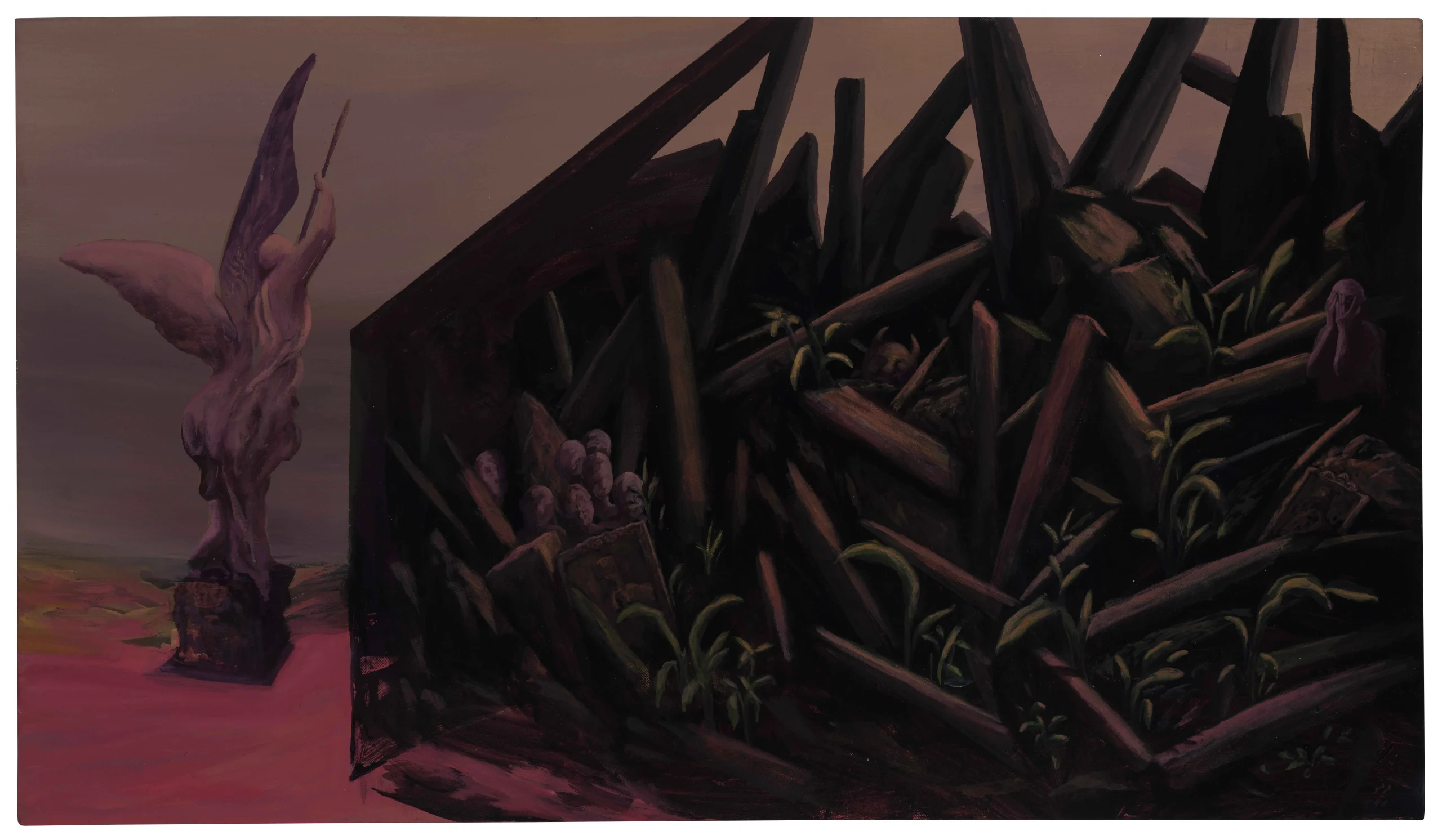
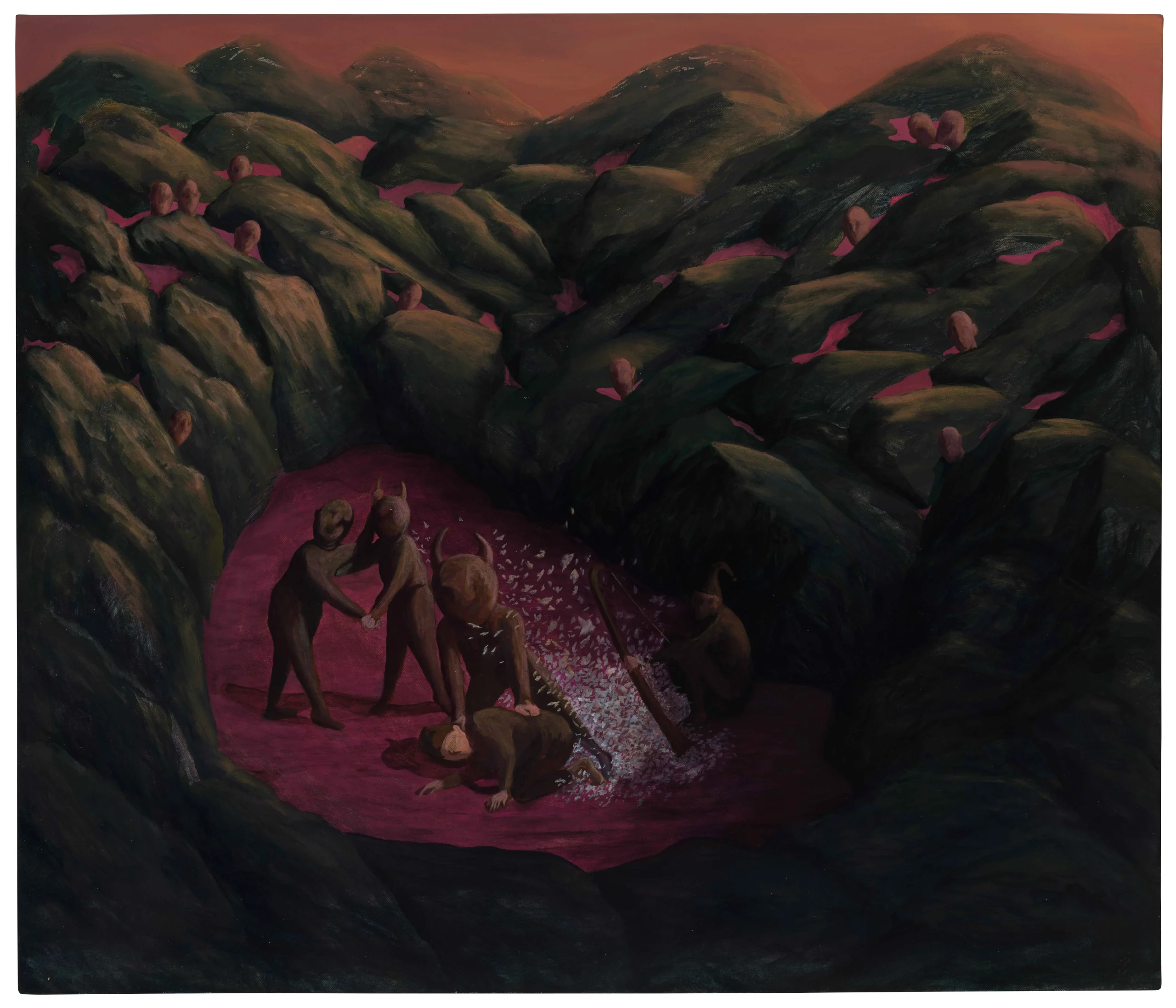
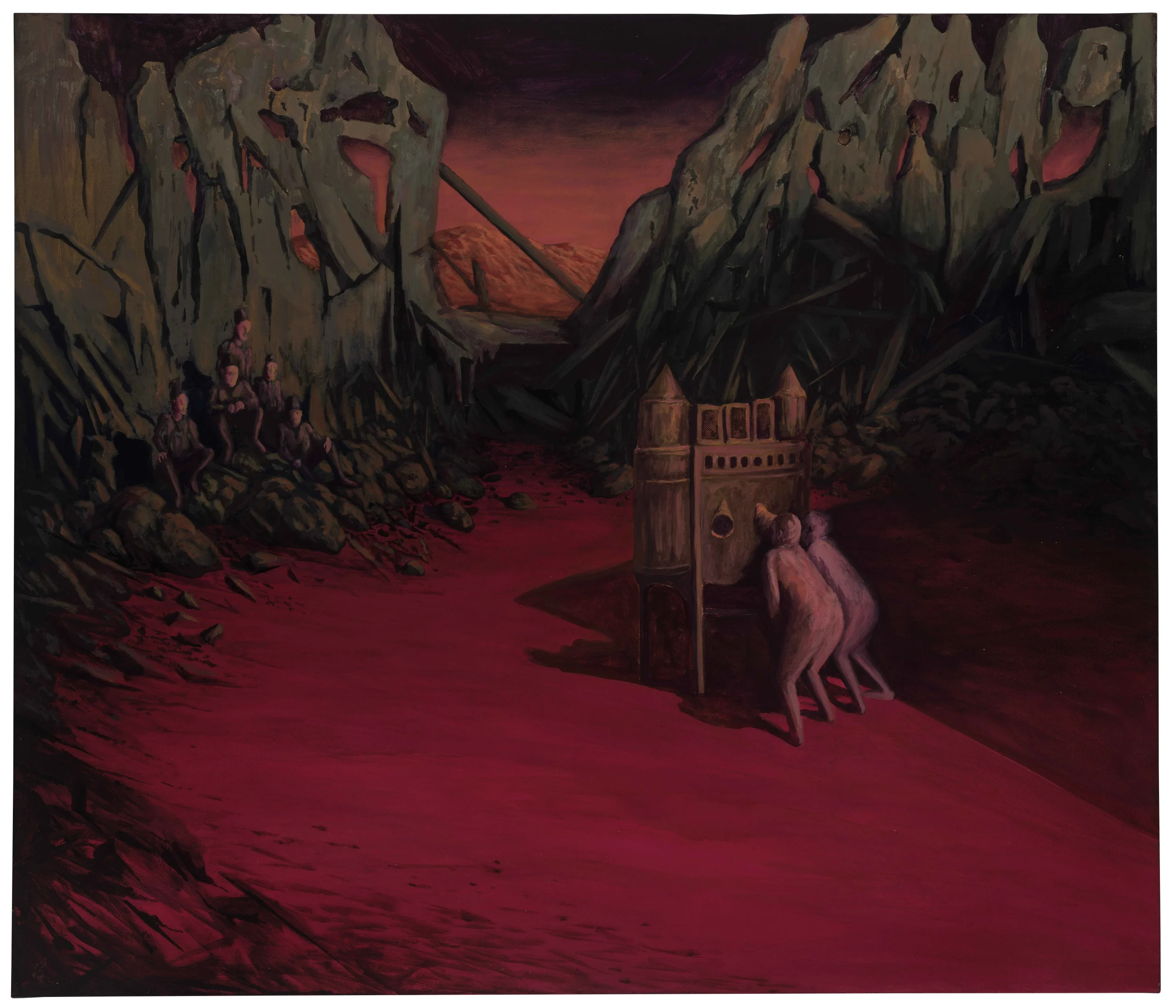
“FokArt” is a coined term, and in its simplest possible explanation, it is a combination of “Fokahi”1 (humor/satire) and “Pop Art”2.
FokArt can be understood as a long-term project, yet diverse and pluralistic in its subjects, which this time focuses on the satirical press of the tumultuous era of the Constitutional Revolution. It will be executed by the “Risheh 29” environmental gallery in collaboration with Karestan House and Didar Gallery. There is no need to elaborate extensively on the genre of humor and its subgenres, as the geography we live in, due to the exceptional situations it has endured, has always struggled to survive by employing humor, hoping to be heard and to safeguard its creativity and dynamism. Mikhail Bakhtin says:
“Laughter does not block man’s path; it sets him free…”
And elsewhere he states:
“Laughter is solely and exclusively useful for uniting; it is impossible for it to cause division.” (Bakhtin, 2020: 126–127)3
In fact, this uniting characteristic is a unique human trait, where regardless of differences, people share the common feature of laughter. There is no shortage of satirical publications that (especially after the Constitutional Revolution) expressed cries for freedom by relying on the language of humor, in order to rally a multitude of audiences to join them in demanding change, and this is a matter worthy of contemplation. It is a tragic laughter arising from confronting complex and chaotic situations that desperately needed to be changed. Our understanding of the humorous aspect of “Fokahi” and its history is clear thanks to the existing archive, but it must be noted that this humorous and critical expression is not necessarily confined to the realm of literature and writing; the traces of visual expression are also evident in it. This is especially true in the press of the Constitutional Revolution era, whose impacts on the formation of Iranian society remain tangible today, and one can still hear the resonant voices of its freedom-seekers. Voices that wanted to free themselves from the yoke of despotism and paid the price for it.
Now, after a century has passed since the Constitutional Revolution and the experiences of using humor to confront Qajar despotism—which is obvious to everyone—we can raise the following question: Can a connection be made, through this form of expression, with the creation of an artwork under the umbrella of Pop Art (public art)? The reason for this question can perhaps be found in the broad spectrum of audiences for both, which is their shared mass-appeal characteristic. A characteristic that can provide extensive possibilities, including the creation of unique artworks, whose thematic concerns are shaped and crafted through our history. It must be noted that we have put this approach to the test of trial and error, and this statement means that we are all in the process of experiencing a new way of understanding and configuring the archive, which in any case may entail weaknesses and strengths that will be illuminating for the continuation of this path.
1 Fokahi [fo-ka-hi]: (Arabic, relative adjective) Attributed to Fokahah (humor/laughter). || (Noun) Writings and sayings that cause others to laugh.
2 Pop Art [Public Art]: An art movement of the 1960s, the theoretical foundation of which was laid a few years earlier by the Independent Group in London… They emphasized the urban culture of the masses and proposed a kind of popular aesthetics in art… Refer to: Pakbaz, Ruyin, Encyclopedia of Art, Tehran: Farhang-e Moaser, 2002 [1381 SH].
3 Bakhtin, Mikhail, Sodaye Mokaleme, Khandeh, Azadi [The Delight of Dialogue, Laughter, Freedom], translated by Mohammad Jafar Pouyandeh, Tehran: Charkh Publications, 2020 [1399 SH].